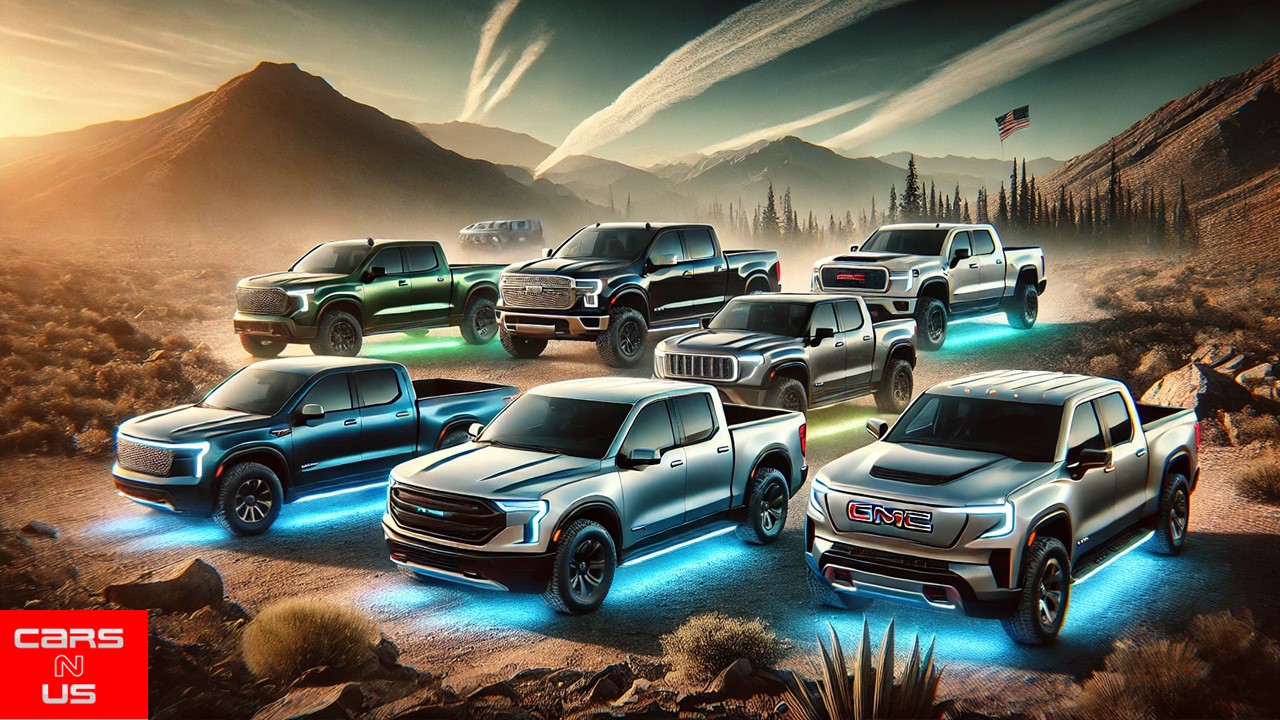
Electric pick-up trucks are revolutionizing the market. Major brands are launching electric models of these vehicles, known for their power and load capacity. The key question is whether these new electric versions will be able to compete with traditional ones in terms of performance and efficiency.
Electric pickups, such as the Ford F-150 Lightning and the Rivian R1T, are designed to deliver the same power as their gasoline or diesel counterparts, but with additional benefits. One of the standout features is the instant torque delivery, which improves acceleration and allows for quicker starts, even with heavy loads. Additionally, the operating costs tend to be lower, as electricity is cheaper than fossil fuels, and electric vehicles require less maintenance.
When it comes to towing and payload capacity, electric pickups hold their own. For example, the Ford F-150 Lightning can tow up to 10,000 pounds (4,500 kg), making it competitive with traditional gas models. Moreover, the batteries in these pickups not only power the vehicle but can also act as an external power source, allowing you to run tools at job sites or even power a house in an emergency.
However, there are challenges for electric pickups. One of the biggest is range. While the most advanced models can reach up to 300 miles (480 km) per charge, long trips with towing or heavy loads can significantly reduce this range. This poses a concern compared to traditional pickups, which can quickly refuel at any gas station. Furthermore, fast-charging infrastructure is still not as widespread, especially in rural areas, which could be an issue for users needing to travel long distances.
In conclusion, electric pickups offer a promising future with clear advantages in terms of operating costs, performance, and sustainability. However, they still face challenges that need to be addressed before they become the dominant choice in the market. With the rapid evolution of technology, these vehicles are likely to play a crucial role in the future of heavy-duty transportation, but their success will depend on how they overcome the current limitations.