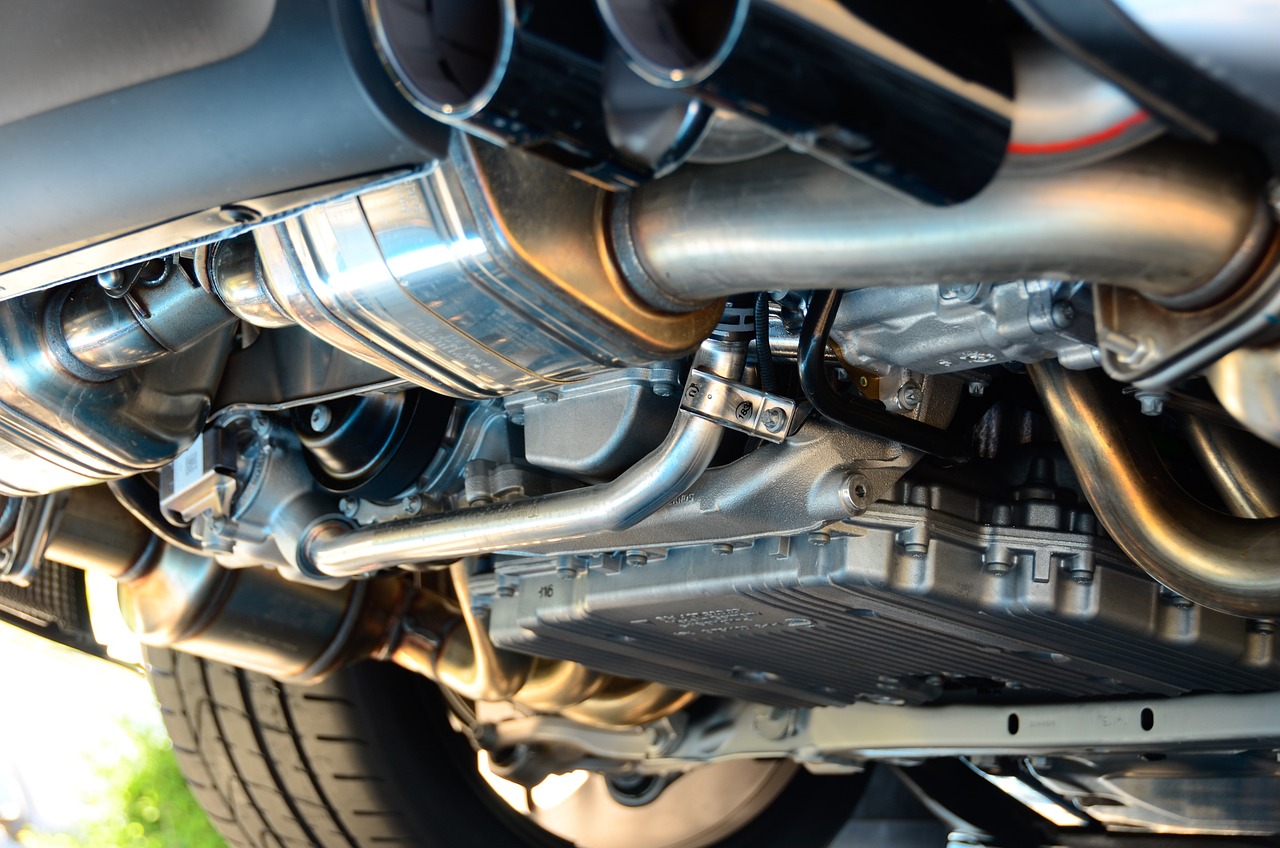
The lifespan of a catalytic converter can vary significantly depending on several factors. These include the vehicle's make, model, and year, driving conditions, maintenance habits, and the quality of the catalytic converter itself. On average, catalytic converters can last anywhere from 100,000 to 200,000 miles. However, some may require replacement sooner due to factors like frequent exposure to harsh conditions, poor fuel quality, or mechanical issues.
Signs of a Bad or Clogged Catalytic Converter
Recognizing the signs of a bad or clogged catalytic converter is essential to prevent further damage to your vehicle. Here are some common indicators:
- Reduced engine power: If you notice a significant decrease in your vehicle's acceleration or overall performance, it could be a sign of a clogged catalytic converter.
- Check engine light: A check engine light illuminated with a code related to emissions or oxygen sensors can often indicate a problem with the catalytic converter.
- Strange noises: Unusual sounds, such as rattling or buzzing, coming from the exhaust system might be a symptom of a damaged catalytic converter.
- Increased fuel consumption: If your vehicle is using more fuel than usual, it could be due to a clogged catalytic converter restricting exhaust flow.
- Exhaust smells: A strong or unpleasant odor coming from the exhaust, particularly a sulfurous or rotten egg smell, can be a sign of a catalytic converter malfunction.
Conclusion
In conclusion, the lifespan of a catalytic converter can vary widely, but understanding the factors that affect its durability and recognizing the signs of a bad or clogged converter is crucial for maintaining optimal vehicle performance and emissions compliance. By addressing issues promptly, you can help prolong the life of your catalytic converter and avoid costly repairs.