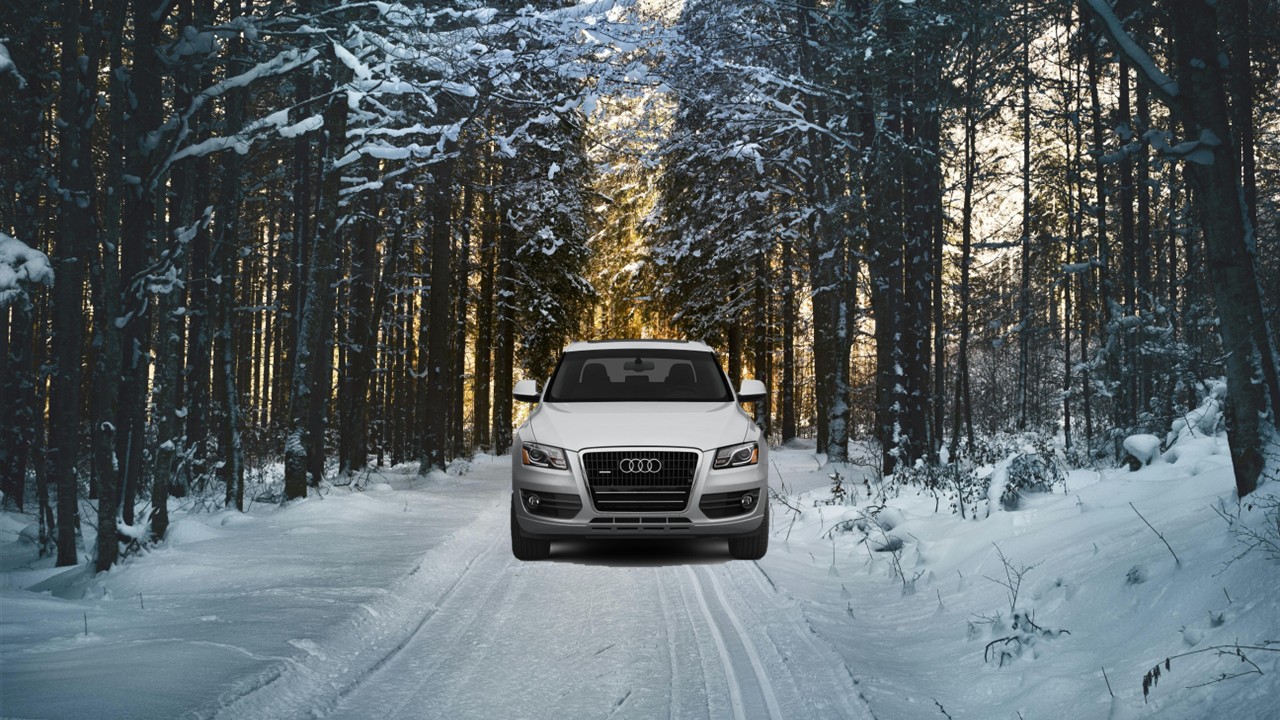
Driving in winter can be challenging for any driver, as roads become hazardous due to snow, ice, and freezing temperatures. Poor visibility and unpredictable weather conditions make it essential to be well-prepared and take extra precautions. In this article, we'll explain how to drive during a blizzard, a winter storm, and discuss the most dangerous times to drive in the snow, along with some key tips to stay safe on the road.
How to Drive in a Blizzard
Blizzards can be extremely dangerous because they combine heavy snowfall with strong winds that reduce visibility to almost zero. If you find yourself driving in a blizzard, the most important thing is to slow down. Driving slowly will give you more time to react to any obstacles that suddenly appear in front of you.
Also, make sure to keep your lights on, even during the day, so that other drivers can see you. Using your fog lights, if your vehicle has them, is also recommended. Maintain a considerable distance from the vehicle in front of you, as you'll need more space to brake on slippery surfaces. If conditions worsen too much, it's best to find a safe place to stop and wait for the weather to improve.
How to Drive in a Winter Storm
Winter storms, which may include snow, ice, and freezing rain, make roads extremely slippery. The key to driving in a winter storm is anticipation and smoothness in movements. Avoid sudden braking, as this could cause you to lose control of the vehicle. Instead, brake gently and with plenty of time, using engine braking when possible.
It's crucial to keep your tires in good condition and to regularly check that your windshield wipers are working properly to maintain good visibility. On icy roads, accelerate slowly and try to maintain a steady speed to avoid your wheels from spinning. It’s also advisable to plan ahead and check the weather forecasts before hitting the road to avoid getting caught in the middle of the storm.
What Is the Worst Time to Drive in Snow?
The worst time to drive in snow is when the temperature is near freezing (0°C or 32°F). At this temperature, snow tends to melt and refreeze quickly, creating extremely slippery layers of ice. Driving at dawn or dusk can also be particularly dangerous, as the light is limited and black ice, which is difficult to see, is more likely to form on the road.
Another particularly dangerous time is immediately after a snowfall. Even though the storm may have passed, roads may still be covered in snow or ice, and it can take time for authorities to clear the main routes. You should also be cautious on bridges and overpasses, as these surfaces tend to freeze faster than other parts of the road.
Final Tips for Winter Driving
- Check your vehicle before heading out: Make sure your tires are in good condition, the antifreeze level is adequate, and the windshield wipers are in working order.
- Carry an emergency kit: Include blankets, water, non-perishable food, a flashlight, and basic car tools. If you get stuck, these items can be essential.
- Maintain a safe distance: Braking distances are much longer in winter, so always keep a considerable space between you and the car ahead.
- Reduce your speed: Never underestimate the power of slowing down on dangerous roads. It's better to arrive late and safe than not arrive at all.
Winter driving can be stressful, but with preparation and caution, it's possible to minimize risks. Always stay aware of weather conditions and adjust your driving accordingly to ensure everyone’s safety.