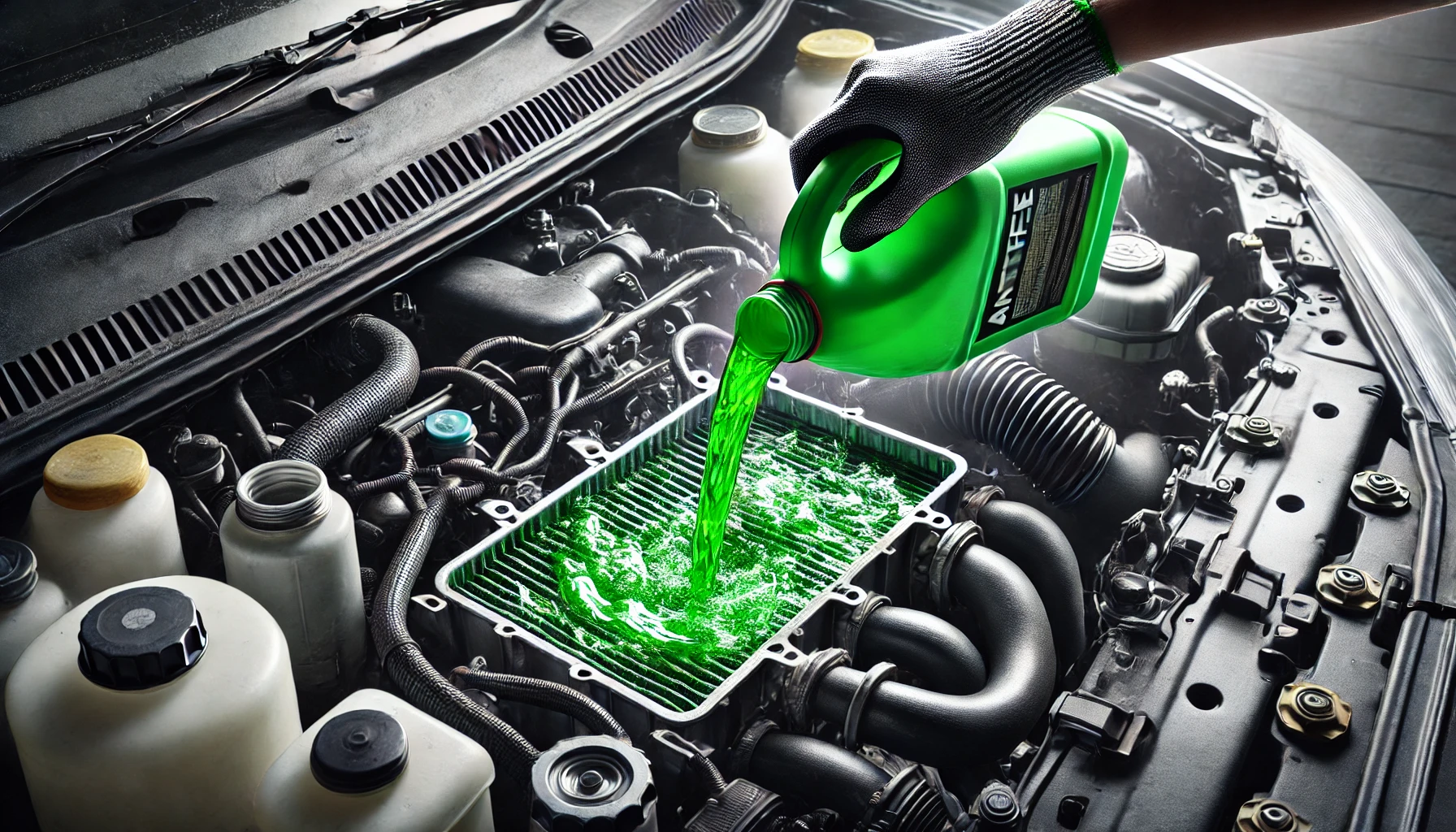
Antifreeze is an essential component for the proper functioning of your car’s engine. Many people overlook its maintenance but ignoring it can lead to severe and costly engine damage. In this article, we’ll explain how often you should change your antifreeze, its function, and provide some tips for proper care.
What is the Function of Antifreeze?
Antifreeze, also known as coolant, serves several critical purposes in your car's cooling system:
- Temperature Regulation: It prevents the engine from overheating by dissipating the heat generated during combustion. It also stops the coolant from freezing in cold climates.
- Corrosion Protection: Antifreeze contains additives that prevent rust and corrosion in the metal parts of the cooling system, such as the radiator, water pump, and hoses.
- System Lubrication: It helps keep moving components like the water pump lubricated, extending their lifespan.
When antifreeze deteriorates, it loses these essential properties, putting the engine and cooling system at risk.
How Often Should I Change the Antifreeze?
The frequency of antifreeze replacement depends on the type of coolant used and your car manufacturer’s specifications. However, here are some general guidelines:
- Conventional Antifreeze (green): Replace every 2 years or 25,000 miles (40,000 kilometers), whichever comes first.
- Long-Life Antifreeze (orange or pink): It can last between 5 and 10 years or up to 100,000 miles (160,000 kilometers).
Always refer to your car’s manual, as intervals can vary depending on the model, climate, and usage.
Tips for Antifreeze Maintenance
- Check the Level Regularly: Ensure the antifreeze level in the reservoir is between the minimum and maximum marks.
- Inspect Color and Consistency: Clean antifreeze typically has a bright color. If it looks dirty, contains particles, or has lost its original color, it’s time to change it.
- Use the Correct Type: Always use the type of antifreeze recommended by your car manufacturer. Mixing different types can reduce its effectiveness.
- Avoid Using Water: Never substitute antifreeze with water, as water does not offer protection against freezing or corrosion.
- Perform Complete Flushes: When changing antifreeze, flush the system to remove residues and trapped air that could affect its performance.
Conclusion
Regularly changing your car’s antifreeze is a simple but essential task to keep your engine in good condition. By following your car manufacturer’s recommendations and the tips mentioned above, you can prevent issues such as overheating, corrosion, and costly mechanical damage. Remember, a well-maintained cooling system ensures efficient performance and extends your vehicle's lifespan. Don’t overlook this critical maintenance!