The automotive industry is undergoing a revolution, and hybrid cars are playing a leading role in this change. If you're considering buying a hybrid car in 2025, it’s important to understand how they work, what their advantages are, and what you should keep in mind before making the leap. This article will give you a complete guide to help you make informed decisions about acquiring a hybrid car in the near future.
What Is a Hybrid Car?
Before diving into the details of options and benefits, it’s essential to understand what a hybrid car is. Hybrid cars combine an internal combustion engine (traditional engine) with an electric motor. The electric motor is used to move the vehicle at low speeds, while the combustion engine kicks in when more power is needed, such as during acceleration or highway driving.
In 2025, hybrid cars will remain a popular option due to their fuel efficiency and the flexibility they offer, as you won’t be fully dependent on electricity or gasoline.
What Are the Benefits of Hybrid Cars in 2025?
Fuel Savings and Lower Operating Costs
One of the main reasons hybrid cars are popular is their ability to save fuel. In 2025, hybrids will continue to offer better fuel efficiency than traditional cars, meaning you can save money on fuel, especially if you drive a lot in the city where the electric motor is more useful.
Lower Environmental Impact
Using an electric motor reduces the emission of harmful gases compared to a purely internal combustion engine. If you care about the environment, a hybrid car is a great option for reducing your carbon footprint, as it helps cut down on pollution levels.
Lower Maintenance Costs
Hybrid cars require less maintenance than traditional gasoline-powered vehicles, mainly because the electric motor reduces the wear and tear on the combustion engine. This can mean fewer trips to the mechanic and lower repair costs in the long run.
Types of Hybrid Cars in 2025
There are different types of hybrid cars that you can consider based on your needs and budget. In 2025, these are the most common types:
Series Hybrids
In a series hybrid, the electric motor is the primary driver of the vehicle. The internal combustion engine is used only to recharge the electric motor's battery. This means you can drive the car in fully electric mode until the battery runs out, after which the combustion engine kicks in to keep the battery charged.
Parallel Hybrids
In parallel hybrids, both the electric motor and the internal combustion engine can work together to drive the vehicle. Depending on driving conditions, the system can switch between both motors to optimize fuel consumption.
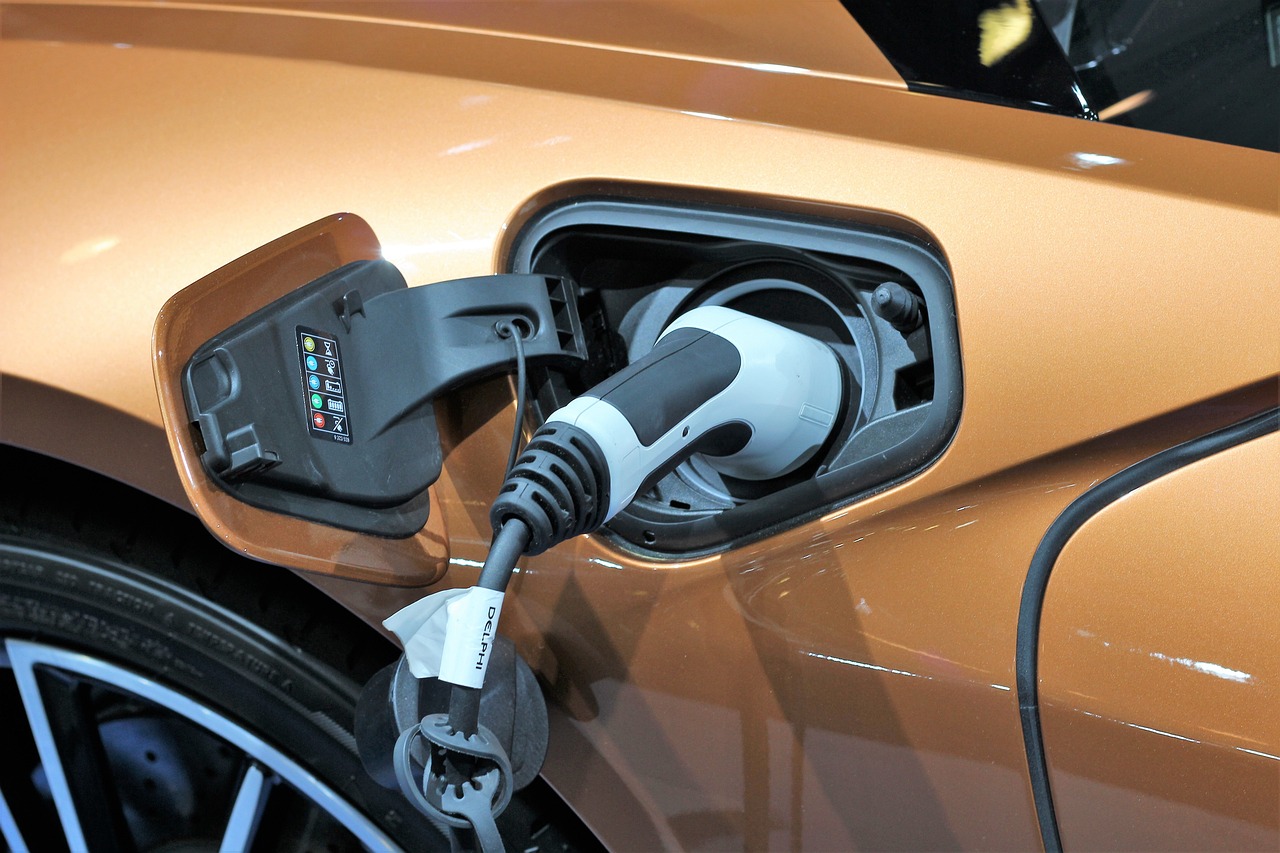
Plug-in Hybrids (PHEVs)
Plug-in hybrids are similar to parallel hybrids but with a key difference: you can charge their electric batteries through a plug, allowing you to drive longer distances in purely electric mode. If your goal is to reduce emissions to the maximum, plug-in hybrids will offer a cleaner option since you can use only the electric motor for short daily trips.
How to Choose the Right Hybrid Car in 2025
Consider Your Driving Habits
It’s important to think about your driving habits when choosing the right hybrid car for you. If you frequently make long trips, a parallel hybrid or a plug-in hybrid might be the best option, as they allow you to take advantage of both motors. On the other hand, if you mainly drive in the city, a series hybrid may offer the best fuel efficiency.
Cost Evaluation
Although hybrid cars generally have a higher initial price than traditional vehicles, the long-term savings on fuel and maintenance can offset the investment. Additionally, many governments offer tax incentives and subsidies for purchasing hybrid vehicles, which can help reduce the initial cost.
Electric Range
If you're interested in electric driving, make sure to research the electric range of the hybrid model you're considering. By 2025, plug-in hybrids will have larger battery capacities, allowing for longer electric-only drives.
What Does the Future Hold for Hybrid Cars in 2025?
In 2025, hybrid cars will continue to evolve with the integration of more advanced technologies and more efficient powertrains. Batteries will be more durable, motors will be more powerful, and charging infrastructure will keep expanding. If you’re looking for a more sustainable mobility option without giving up the convenience of a combustion engine, hybrid cars will still be an excellent choice.
Conclusion
Hybrid cars in 2025 offer a balanced solution between fuel efficiency, environmental impact, and operating costs. When choosing a hybrid car, not only will you be contributing to a cleaner future, but you'll also enjoy the benefits of a more economical and lower-maintenance driving experience. So, if you’re ready to switch to a hybrid car in 2025, be sure to consider all the factors to choose the right model for you.