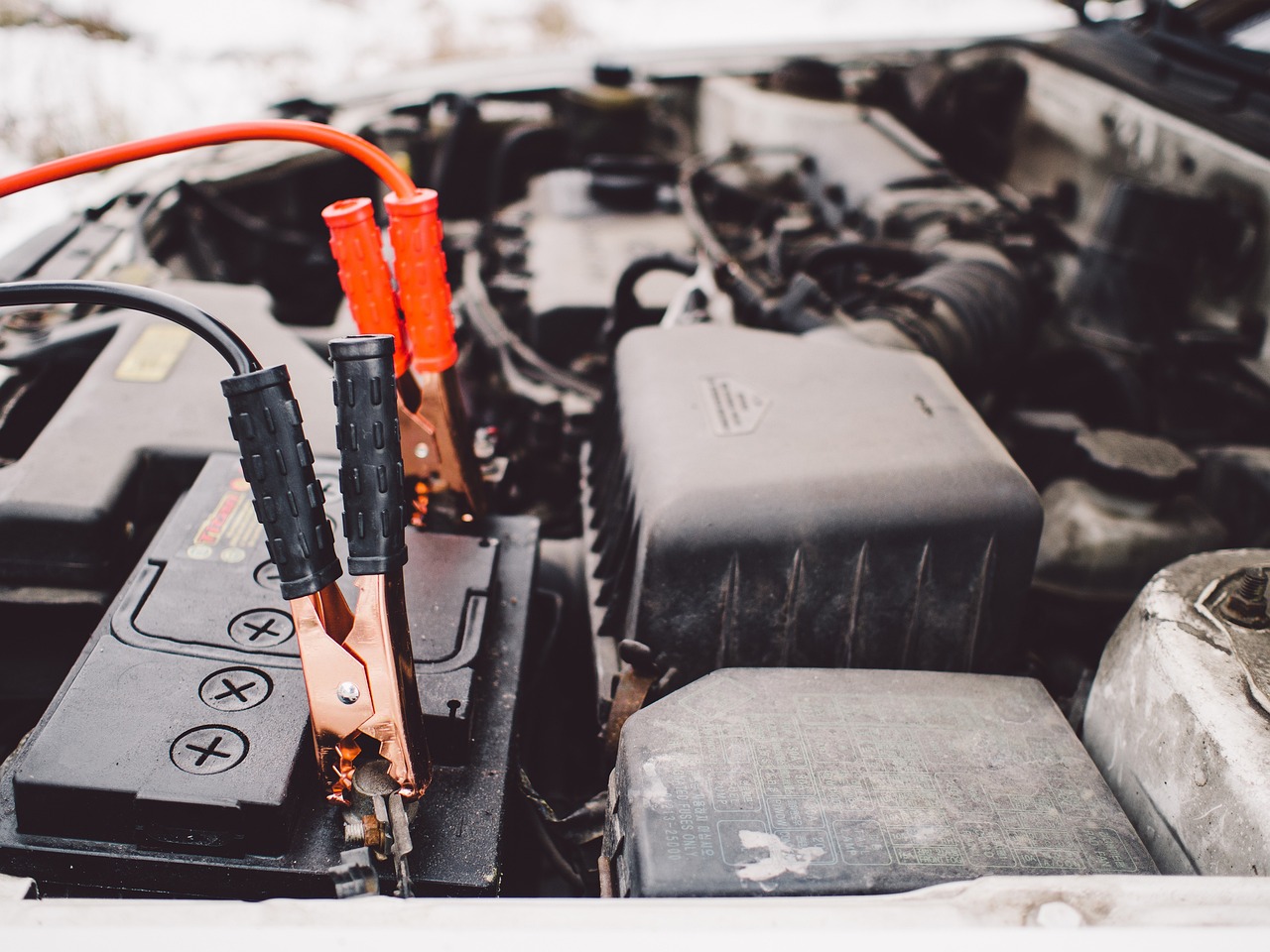
Car batteries are essential components of any vehicle, providing the energy needed to start the engine and run various electrical systems. However, car batteries have a lifespan of 3 to 4 years. Here are some factors that affect the longevity of a car battery.
Weather
One of the most significant factors influencing battery life is weather. Extreme temperatures, both hot and cold, can accelerate battery degradation. In hot climates, high temperatures can cause electrolyte evaporation and internal corrosion. Conversely, cold weather can reduce battery capacity and make it more difficult to start the engine. If you live in a region with extreme weather conditions, it's advisable to have your battery tested regularly.
Usage
The frequency and duration of your car's usage also play a crucial role in battery life. Batteries are designed to discharge and recharge regularly. If your car sits idle for extended periods, the battery can slowly discharge. This can lead to sulfation, a condition where lead sulfate crystals form on the battery plates, reducing its capacity and lifespan. To prevent sulfation, try to drive your car at least once a week, even for a short distance.
In Conclusion:
The lifespan of a car battery can vary depending on various factors. By understanding these factors and taking appropriate measures, you can maximize the life of your battery and avoid unexpected breakdowns.